BLOG

Dave Bellard's not-so-daily journal and sketchbook 

Museo La Tertulia: Contemporary Art in Cali, Colombia


I'm in Cali, Colombia for the spring and while here I had the chance to visit one of the (only) spaces for contemporary art in Cali, the Museo La Tertulia. I've been to Cali a few times in the past three years and each time I learn more about the city and get a better feel for the cultural vibe. One thing that became more obvious to me during this trip is the way Cali lags behind Bogota and Medellin in the role art - visual, musical and theatrical - plays in the structure of the city. It's expected that Bogota would have much more to offer culturally by virtue of being the capital (and largest) city in Colombia, but I can't figure out why Medellin is such a model of social innovation and cultural growth, while similar-sized Cali is a city where art doesn't play a significant role for the majority of it's inhabitants.

To be sure, having a less than robust exposure to so-called fine arts isn't a situation unique to Cali, nor is a population who generally have little interest in it. It's true of cities in every country, including many in the U.S. that would not have a strong cultural or artistic "infrastructure" like museums, theaters and orchestras were it not for post-industrial elites funding the institutions. A good example of this would be the hidden gems of (now)post-industrial Pittsburgh. 

Screen Shot 2018-04-11 at 2.46.35 PM.png

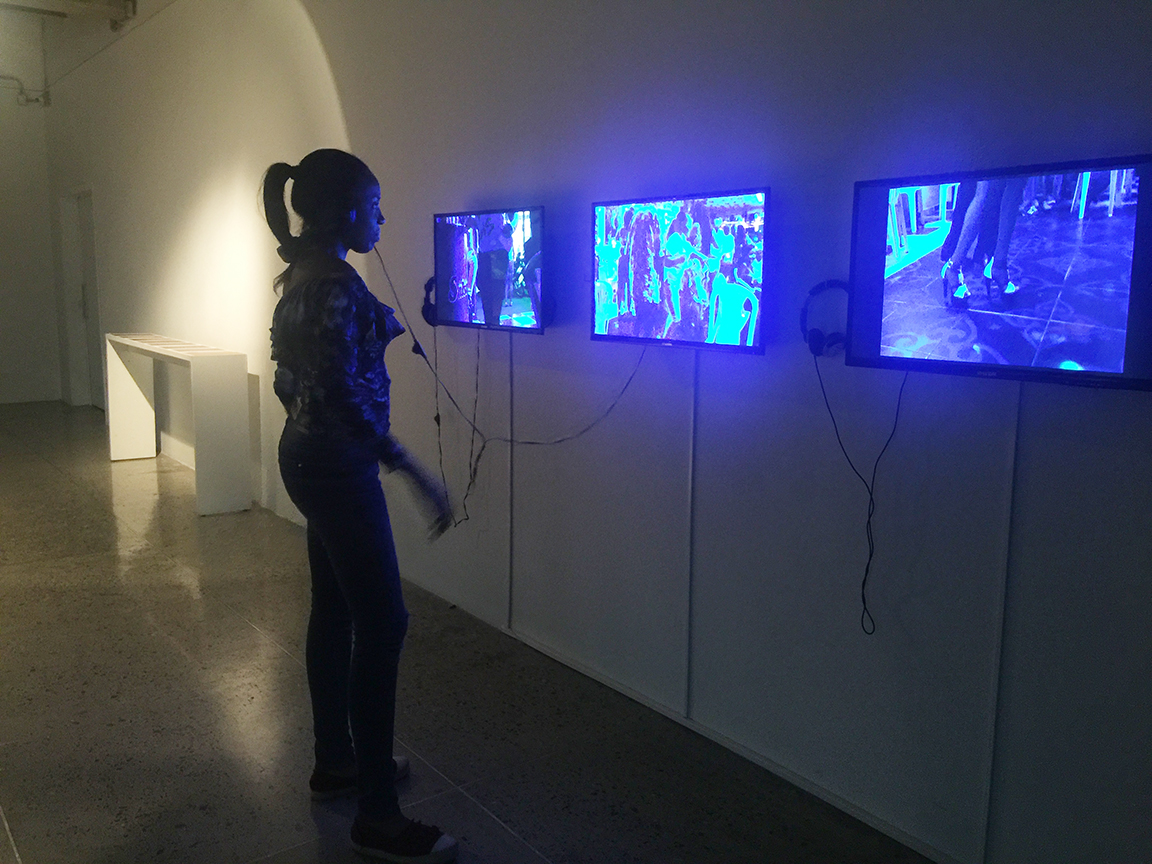
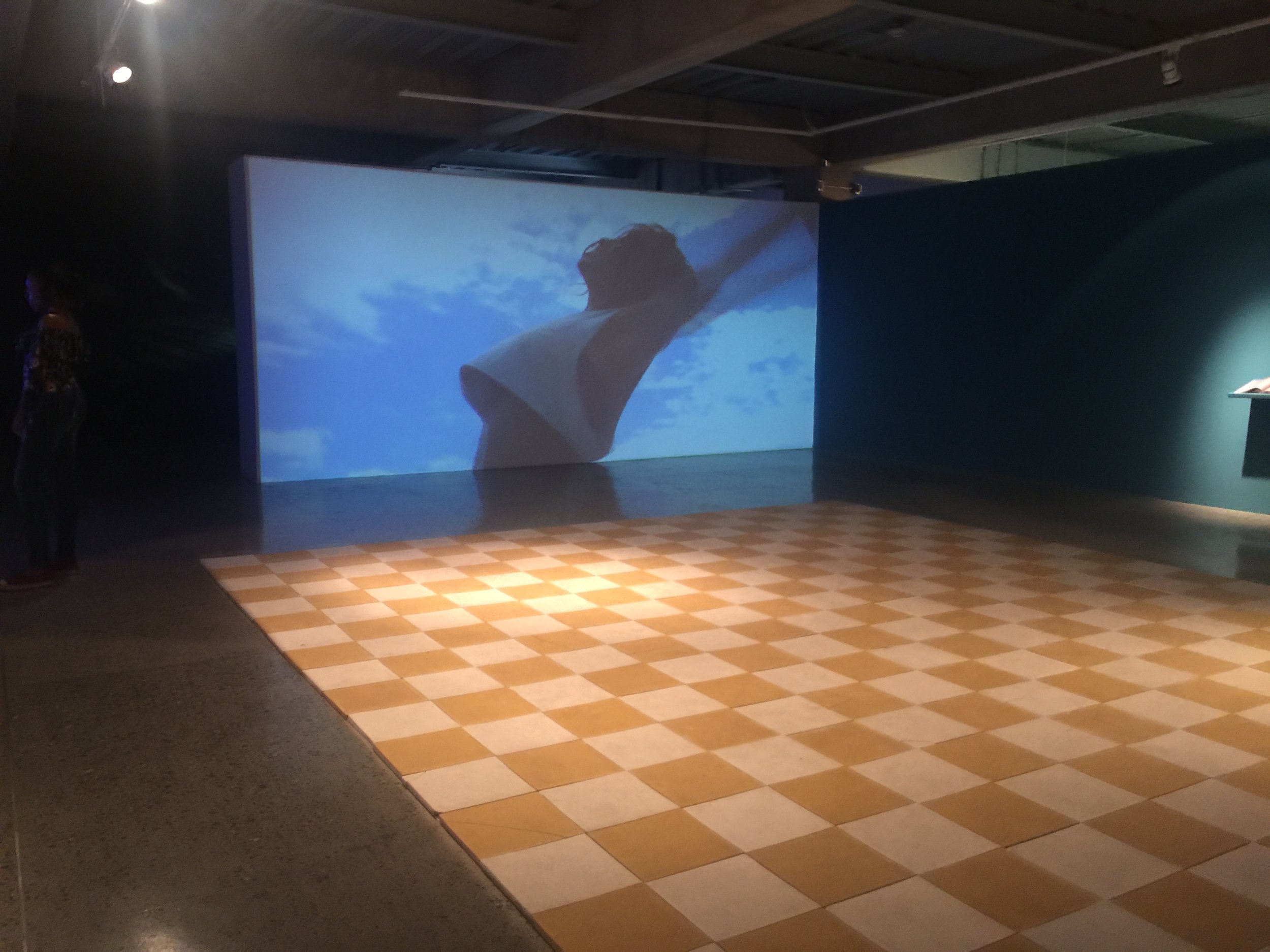
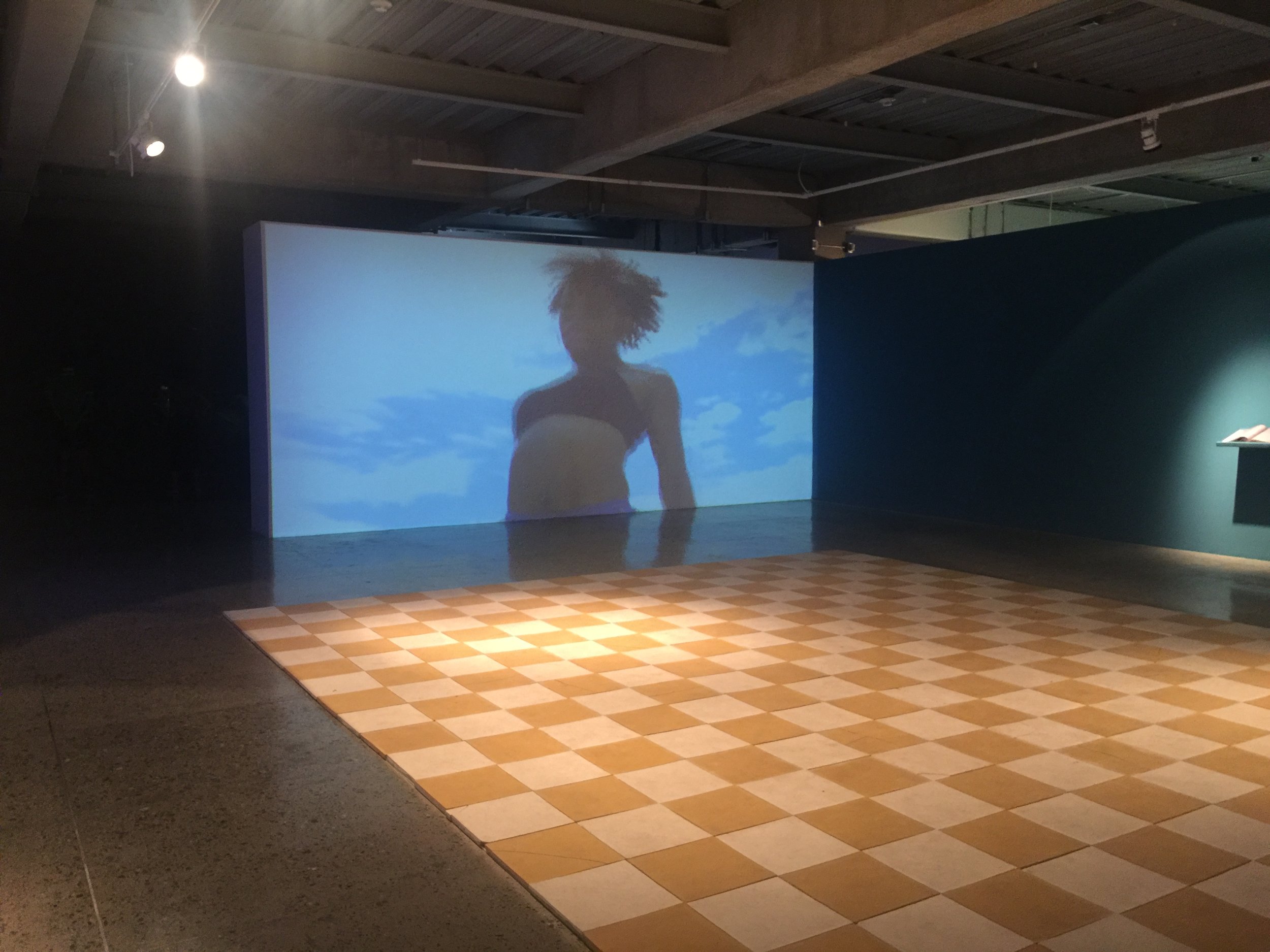
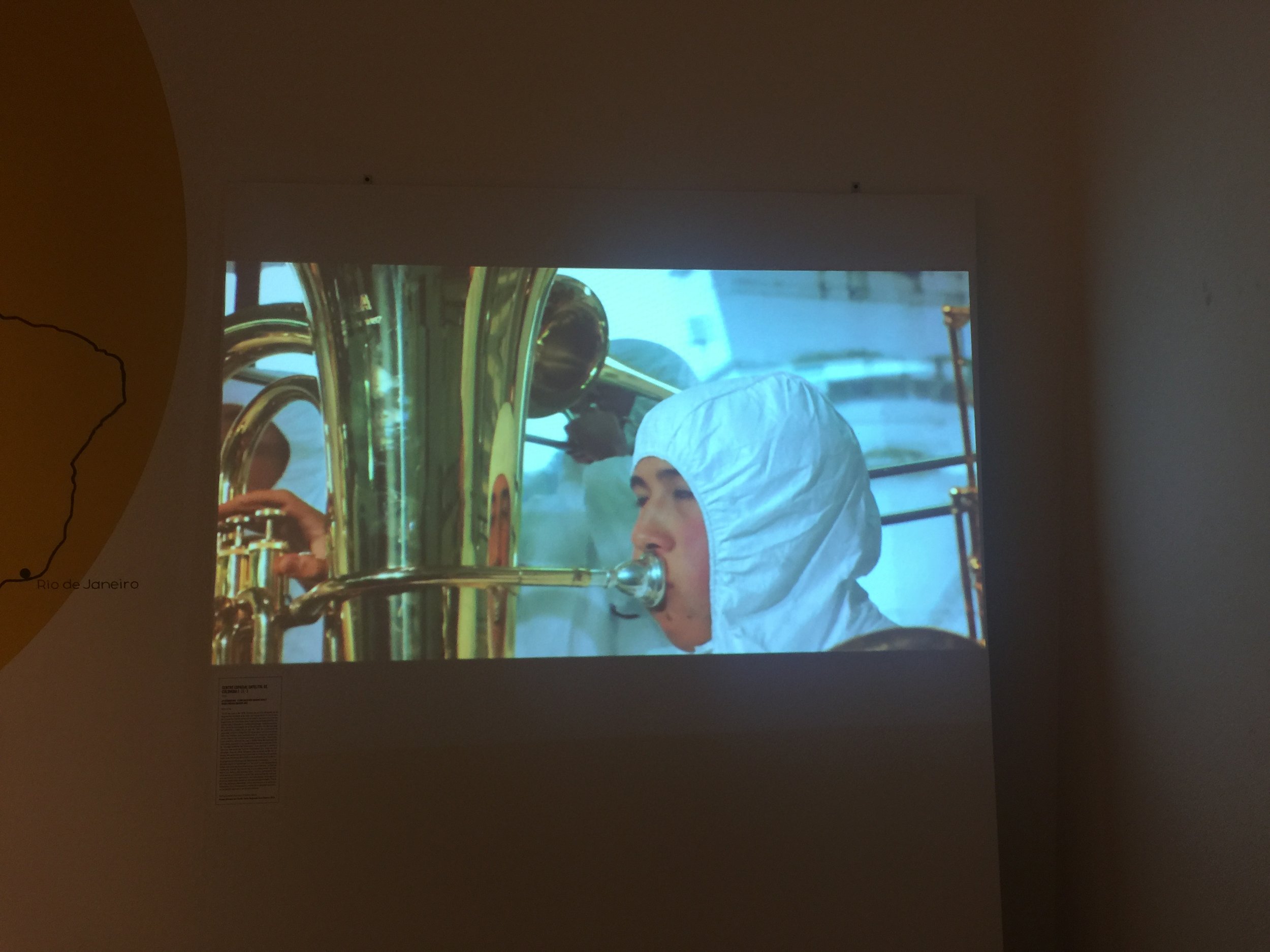
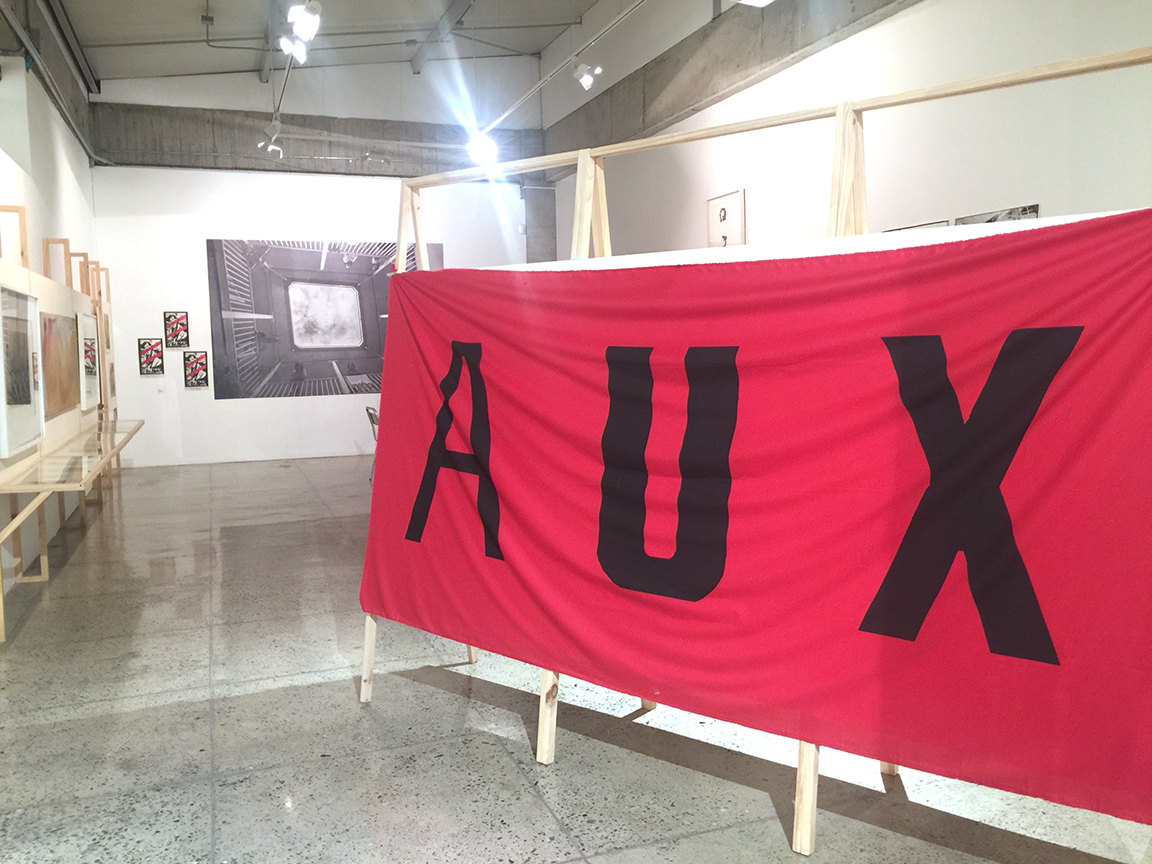
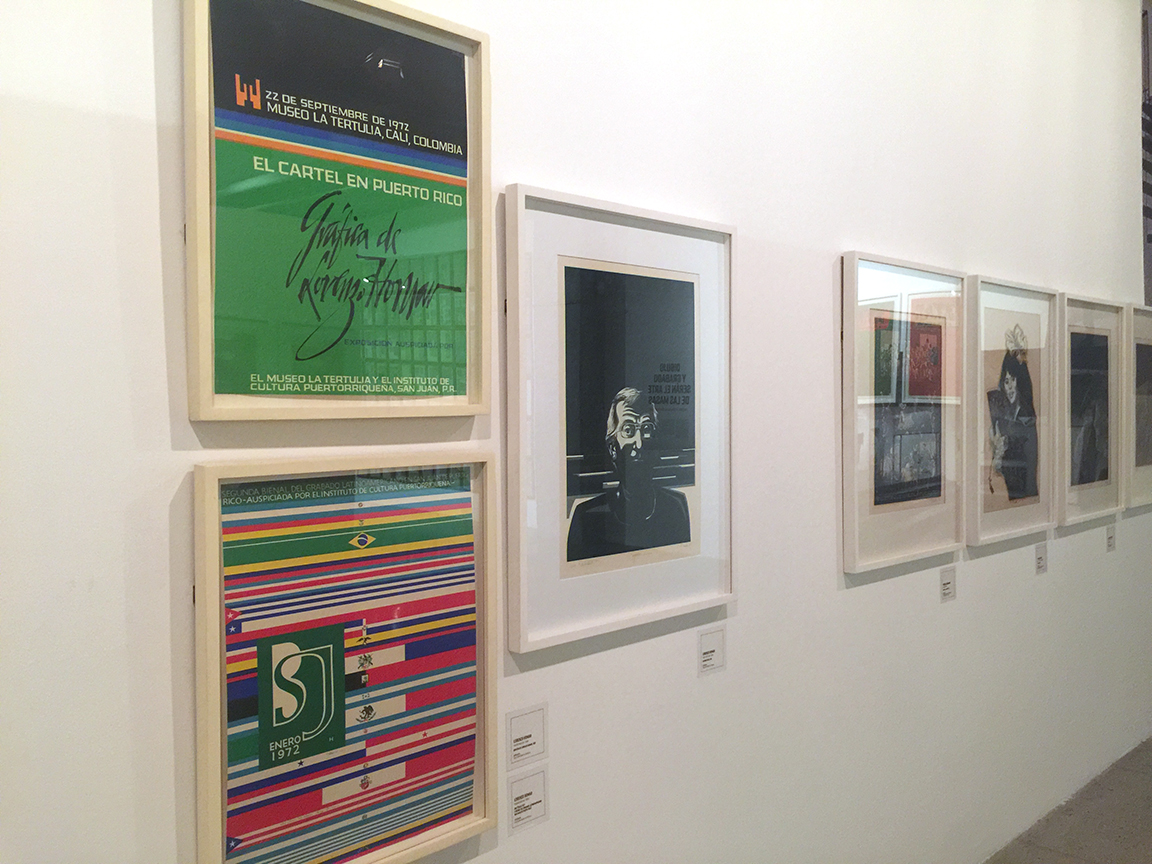
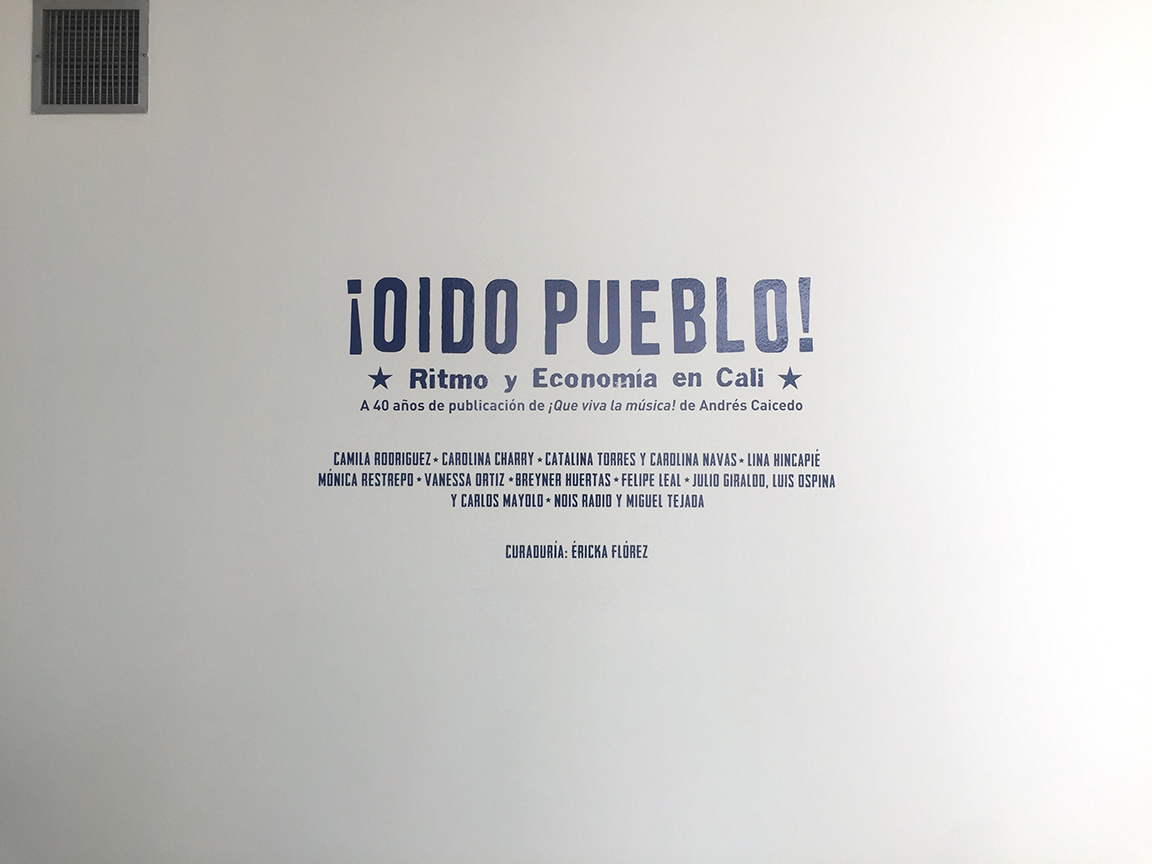
Regardless of how large or small a city's cultural legacy, you'll find enclaves of contemporary art anywhere and in Cali it's at the Museo La Tertulia. It's a small museum consisting of three disconnected buildings, one of which is a cinema that hosts film festivals and art films from Latin America. The main building has three floors with curated exhibitions from their collection and new works by Colombian and Latin American artists.  Of the four exhibits on view when I visited, I took a few photos and videos of two. The first was "Oido Pueblo!",  a multimedia exhibit with work influenced (or related to) a novel titled "Que Viva La Musica" by Andres Caicedo published 40 years a go and considered by some to be one of the best novels of Colombian literature in the 20th century.  

[Side note: where Cali might be lacking in support for art, the heartbeat of this city is salsa music and dancing. Caleños express themselves quite fluently in the language of la rumba (the party) where the music and dancing start in the early evening and do not stop just because the sun is rising.]

The exhibit mainly consisted of film and video pieces... 
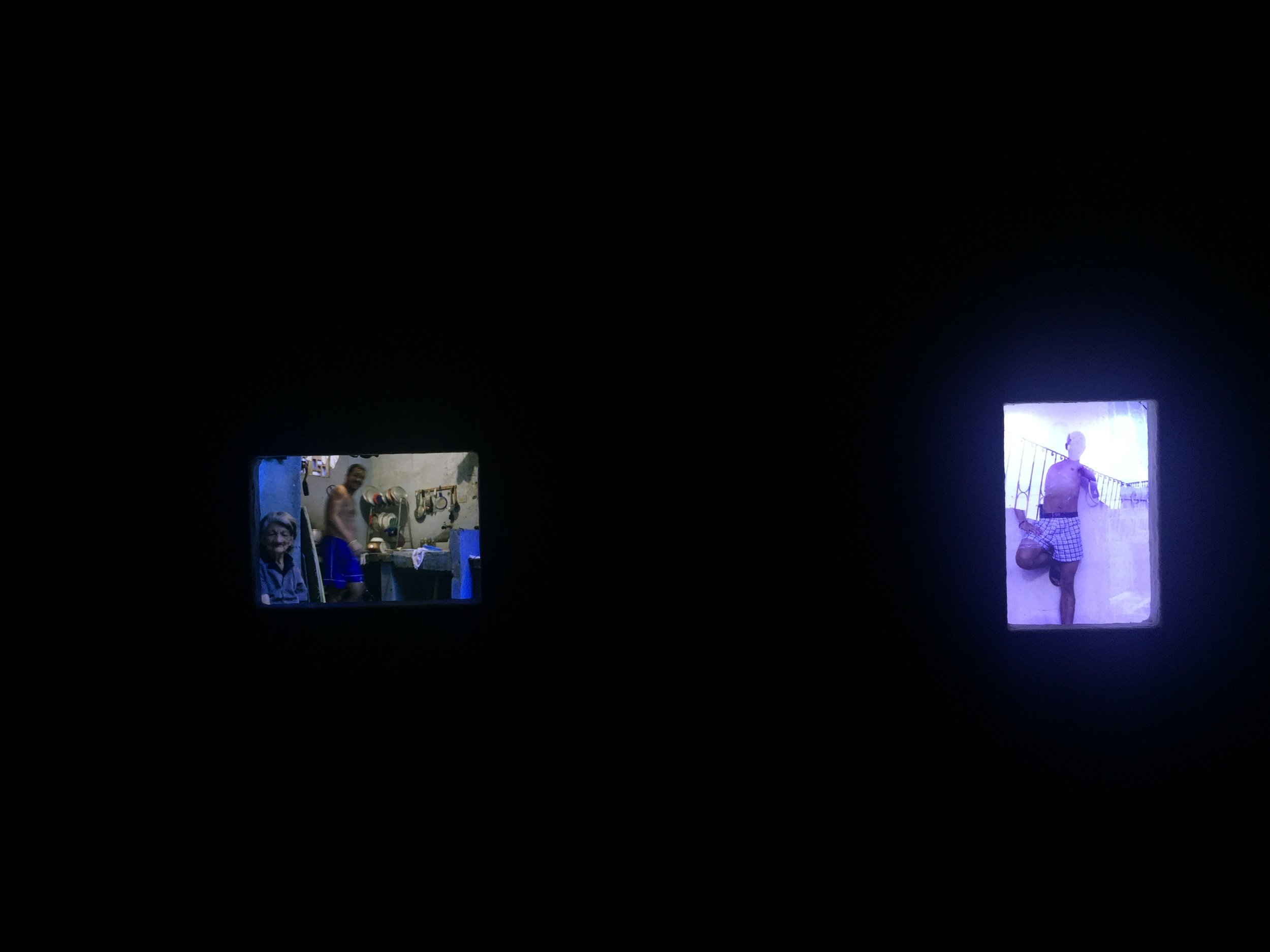
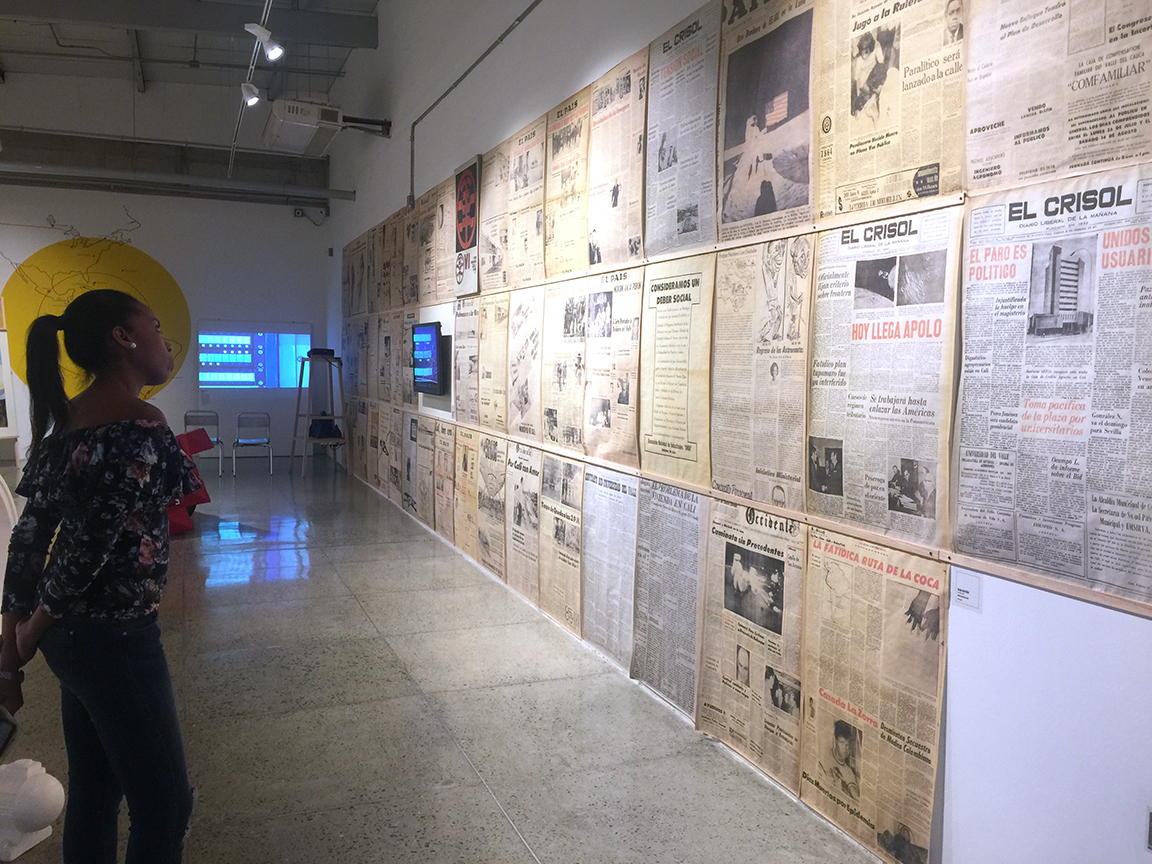
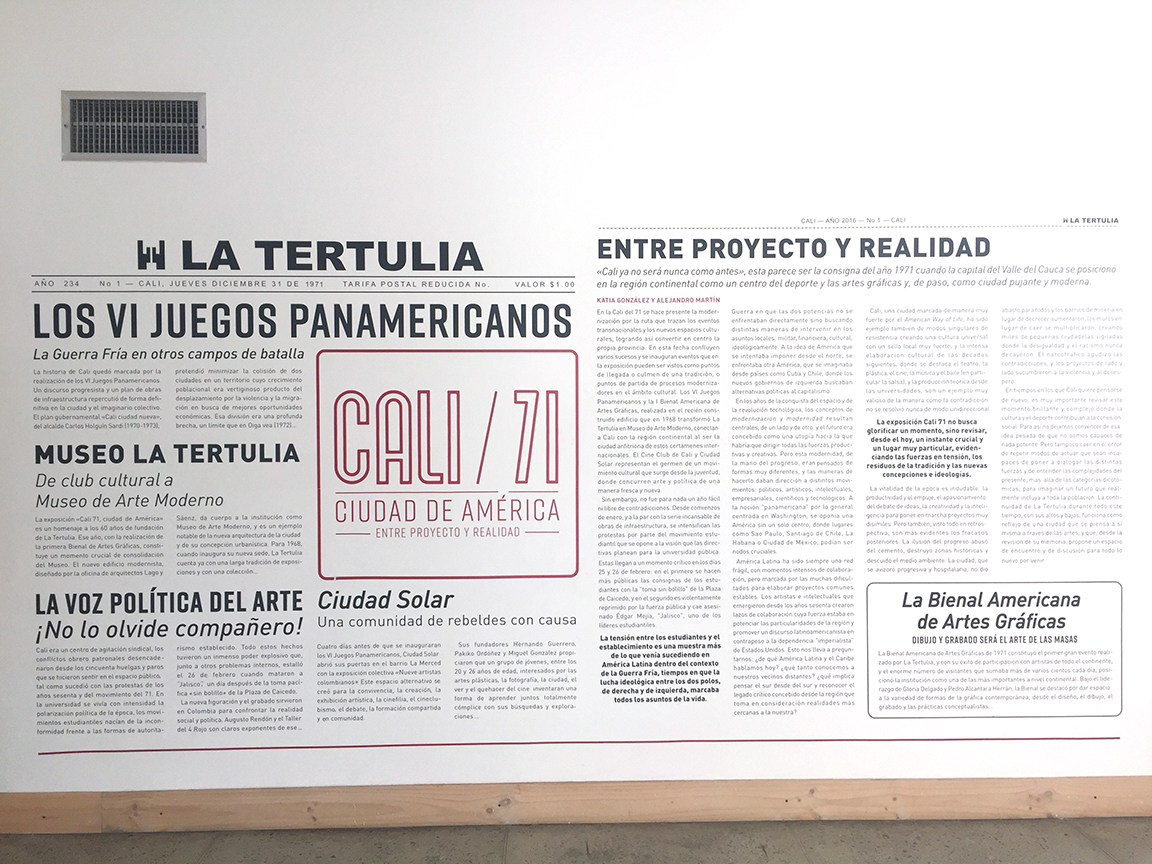
The other exhibit that compelled me to take some photos was "Cali 71." It was very cool, but because my Spanish is very poor I didn't quite understand the exhibit description when I read it there. Thanks to Google Translate, I can let it speak for itself:

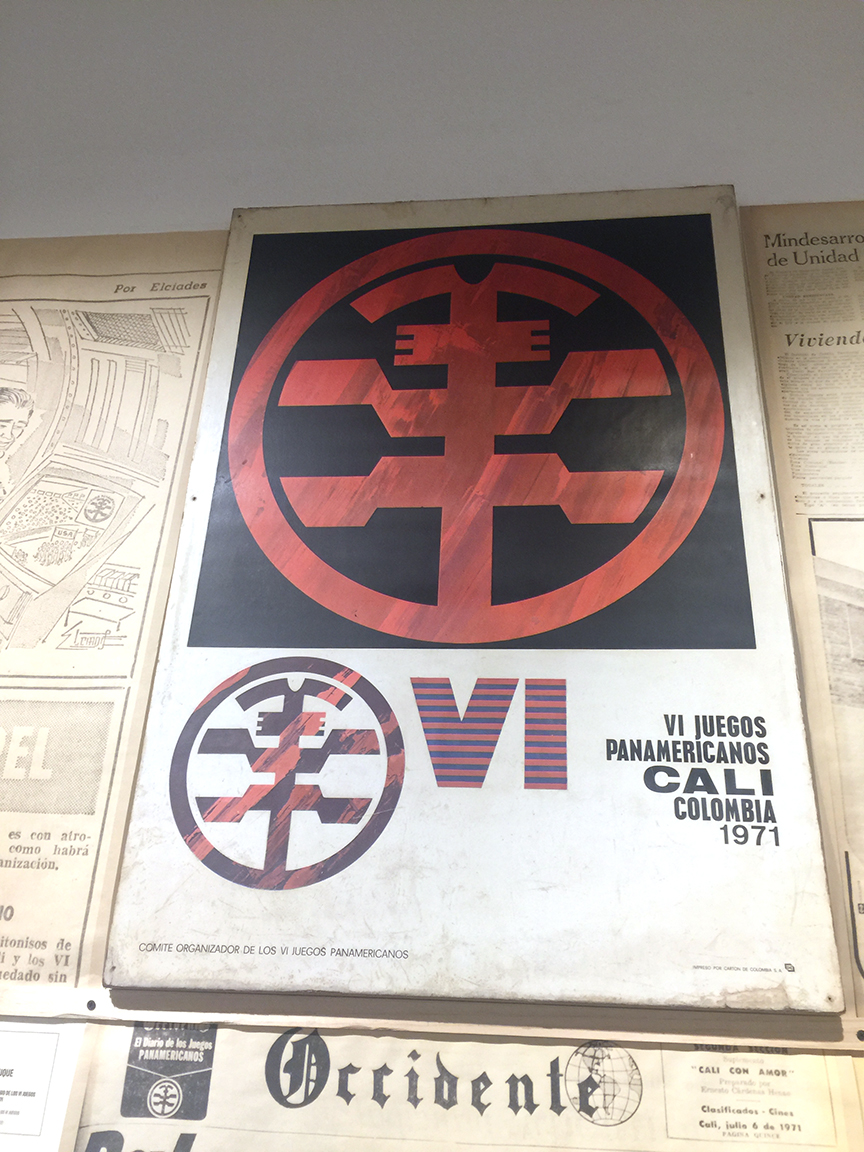
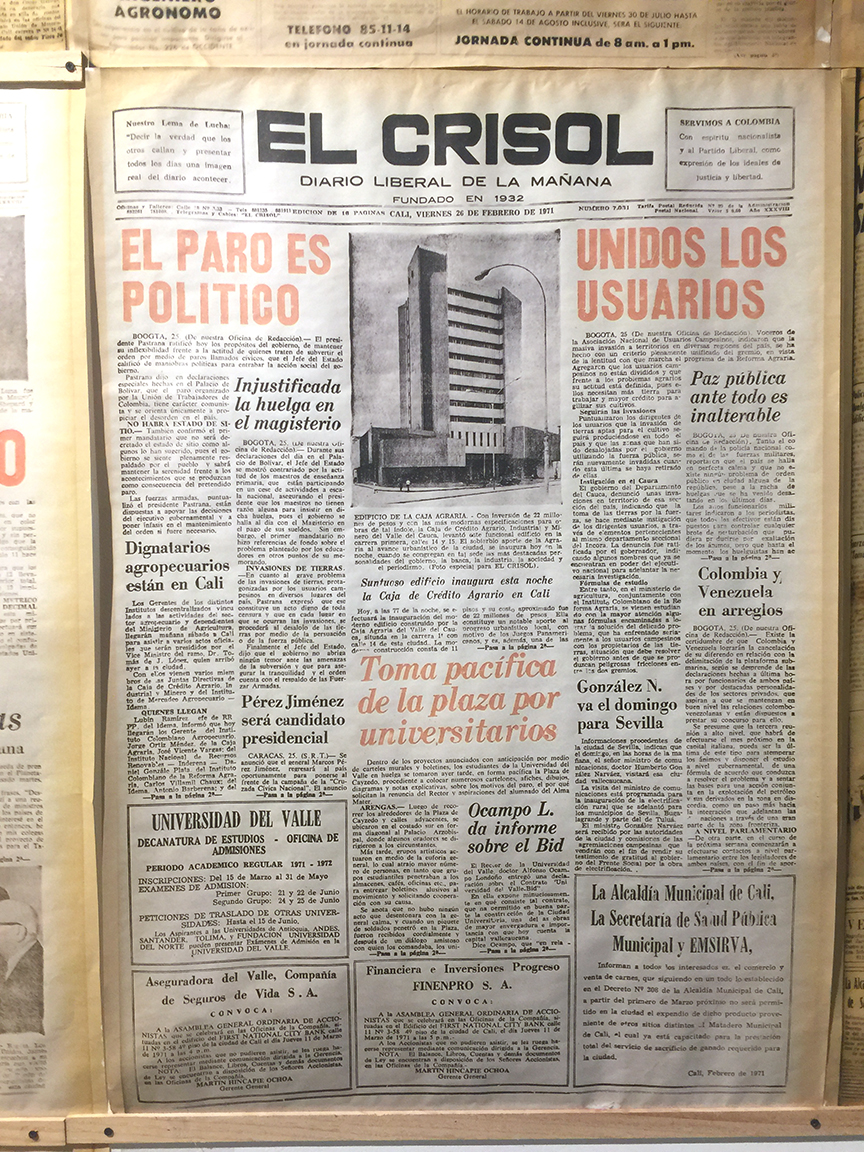
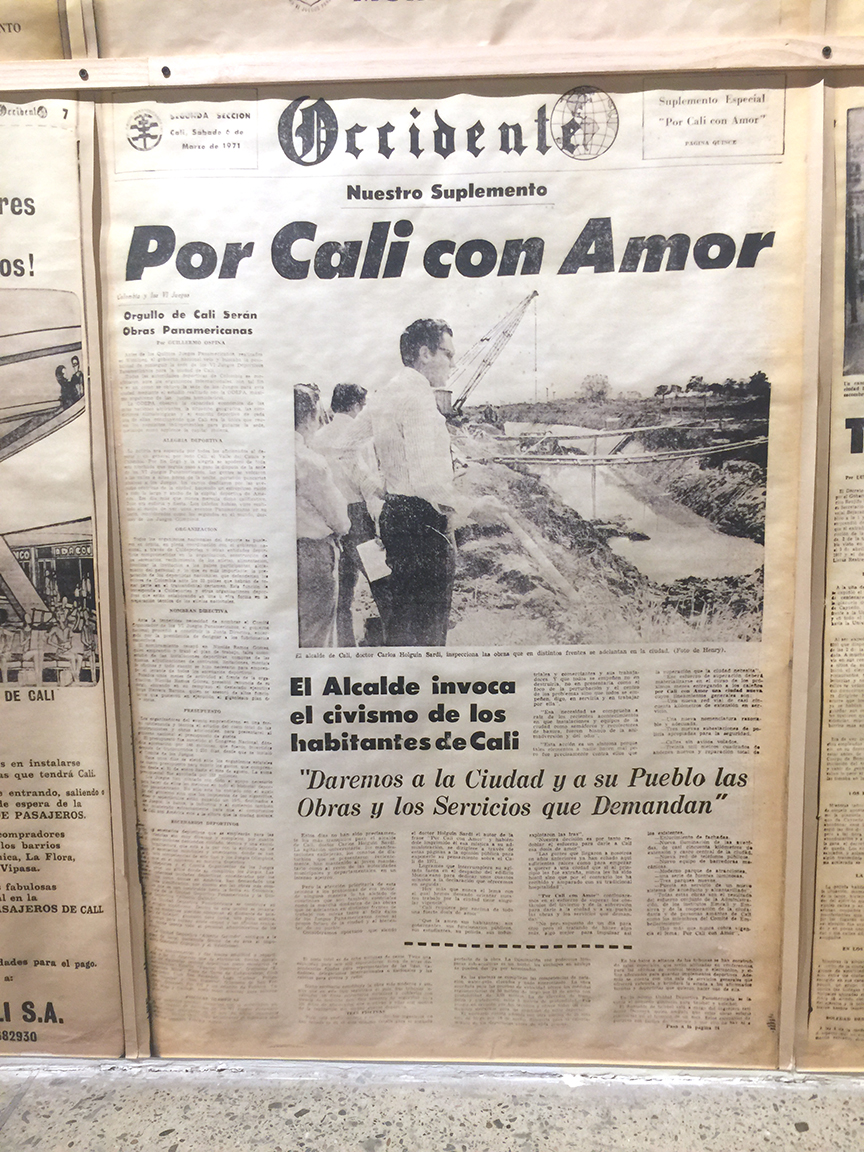
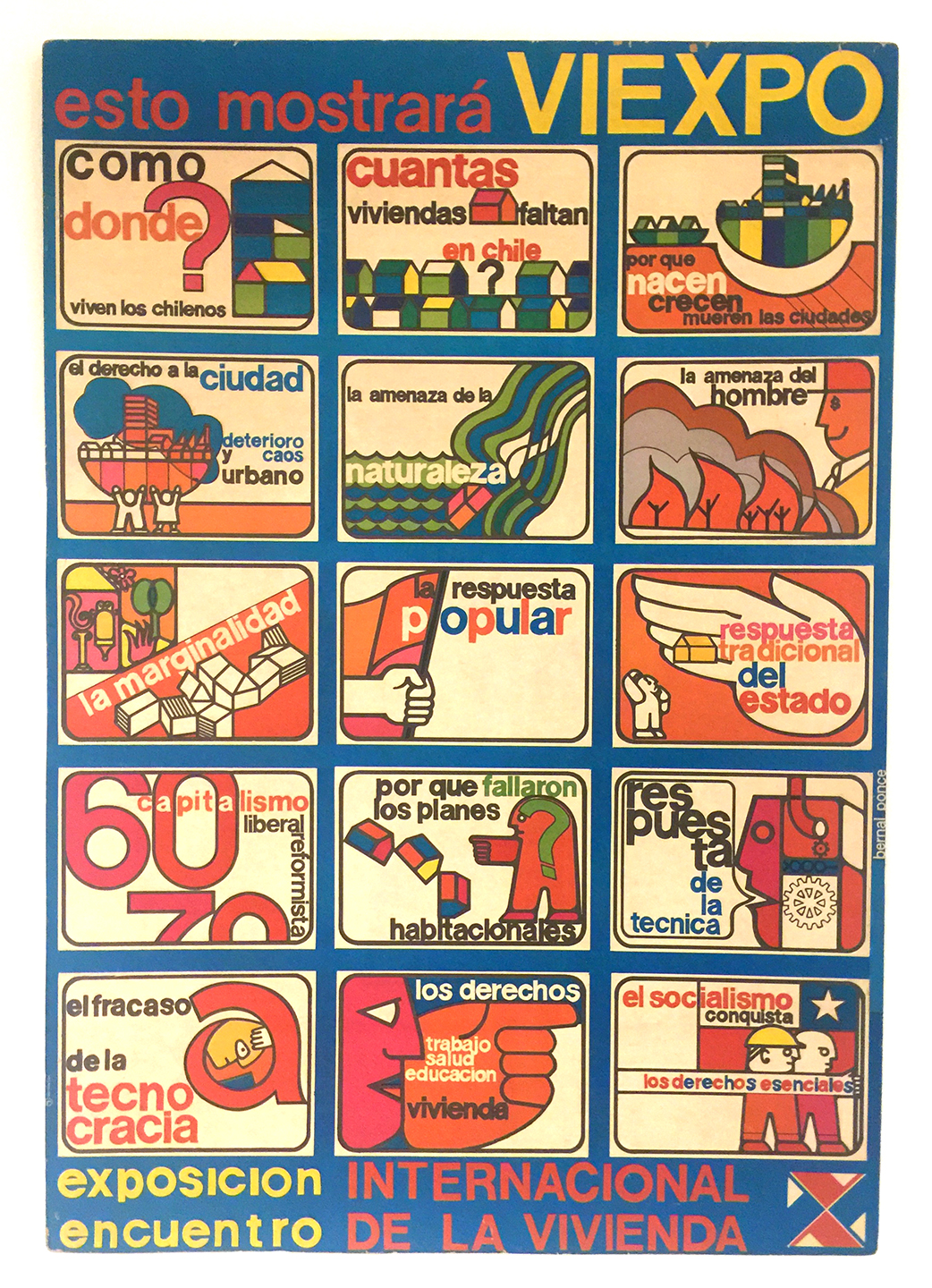
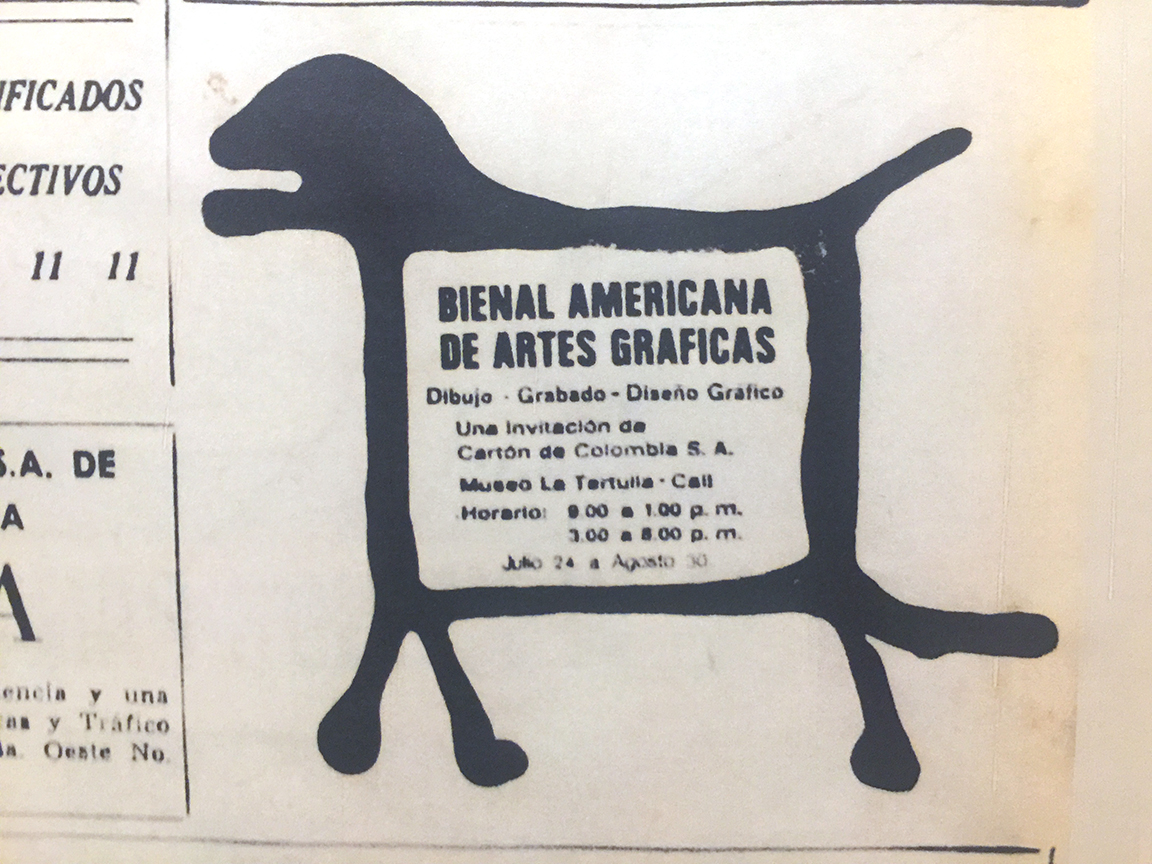
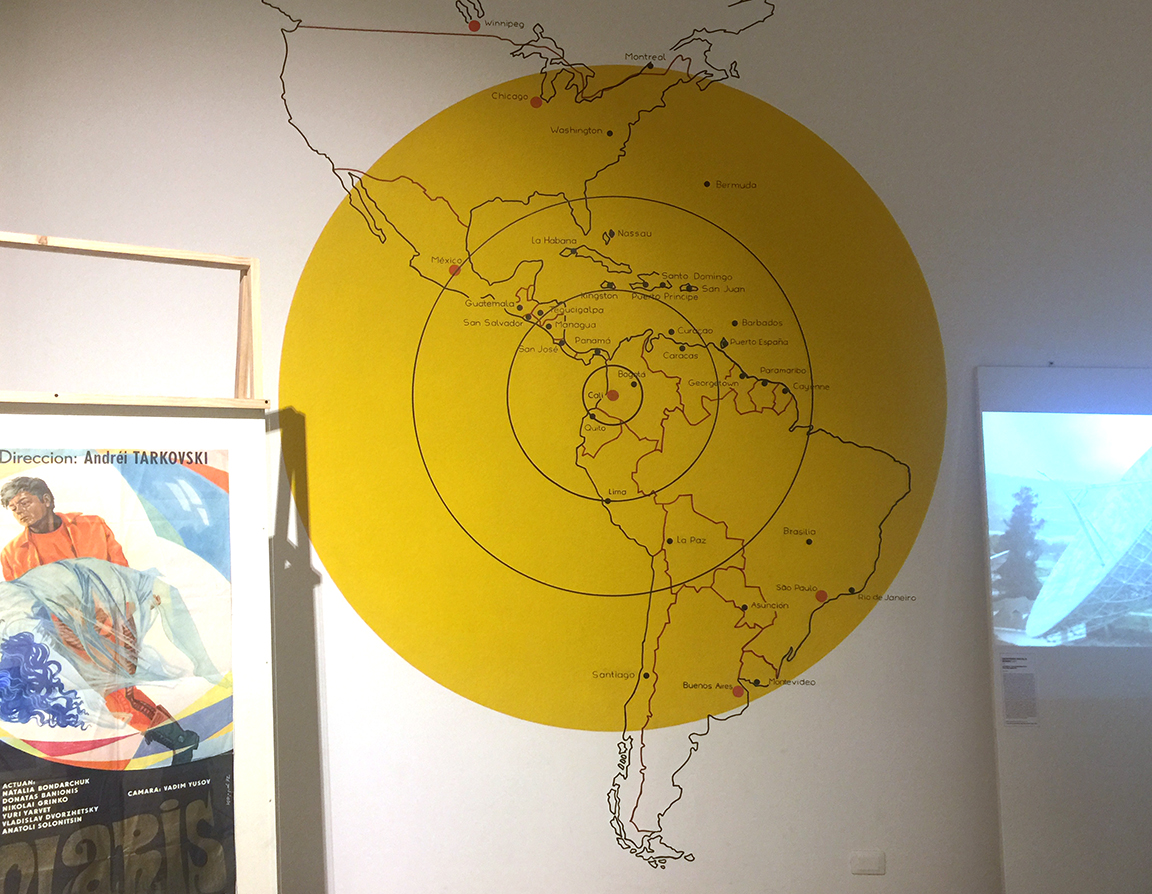
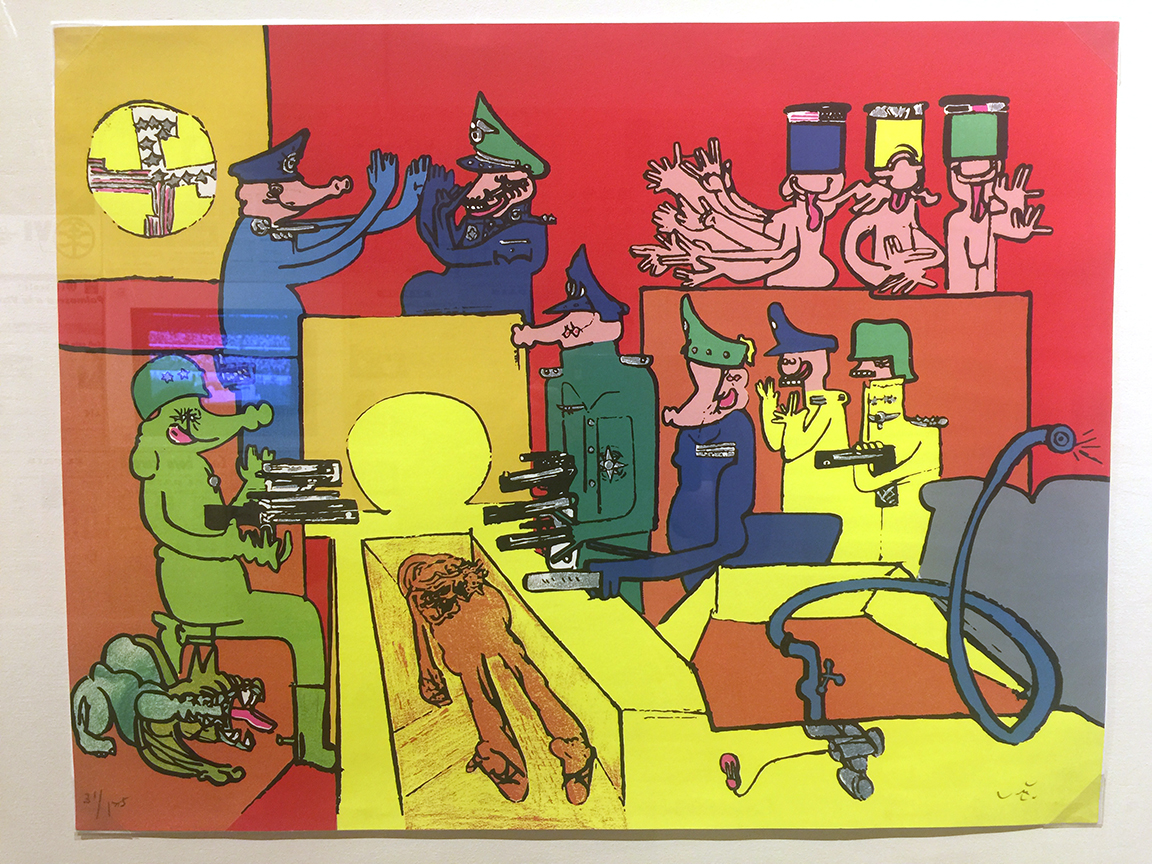
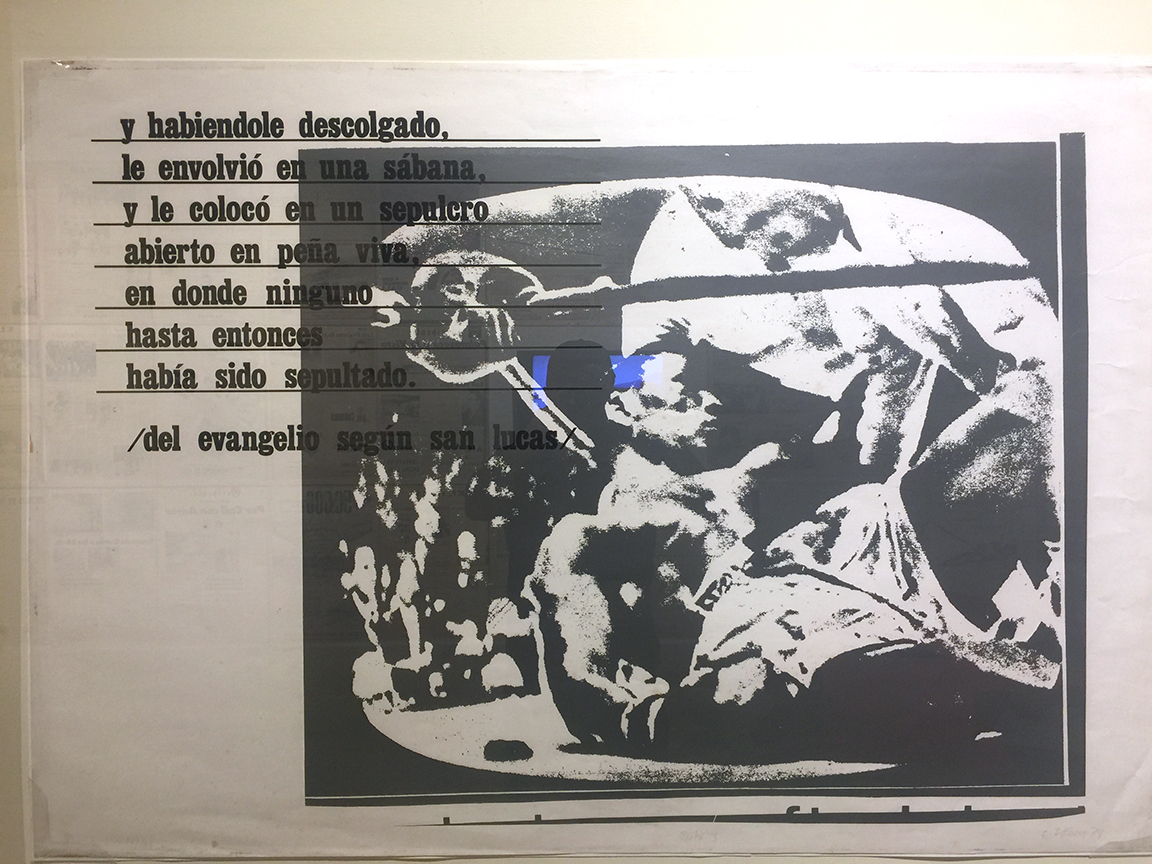
"Cali will never be as before", this seems to be the slogan of the year 1971 when the capital of Valle del Cauca was positioned as a center of sport and graphic arts and, incidentally, as a vibrant and modern city. The VI Panamerican games and the first American biennial of Graphic Arts, held in the newly built building that in 1968 transformed the gathering in Museum of Modern Art, connect Cali with the Continental region to be the host city of these international competitions. The cinema Club of Cali and Ciudad Solar represent the germ of a cultural movement that arises from the youth, where they concur art and politics in a fresh and new way. All these events, and the context of the Cold War that marked all the situations, are treated through a curatorship that is mainly based on the art collection of the museum La Tertulia and the documents collected by the Documentation Center.  Curation: Katia González and Alejandro Martín


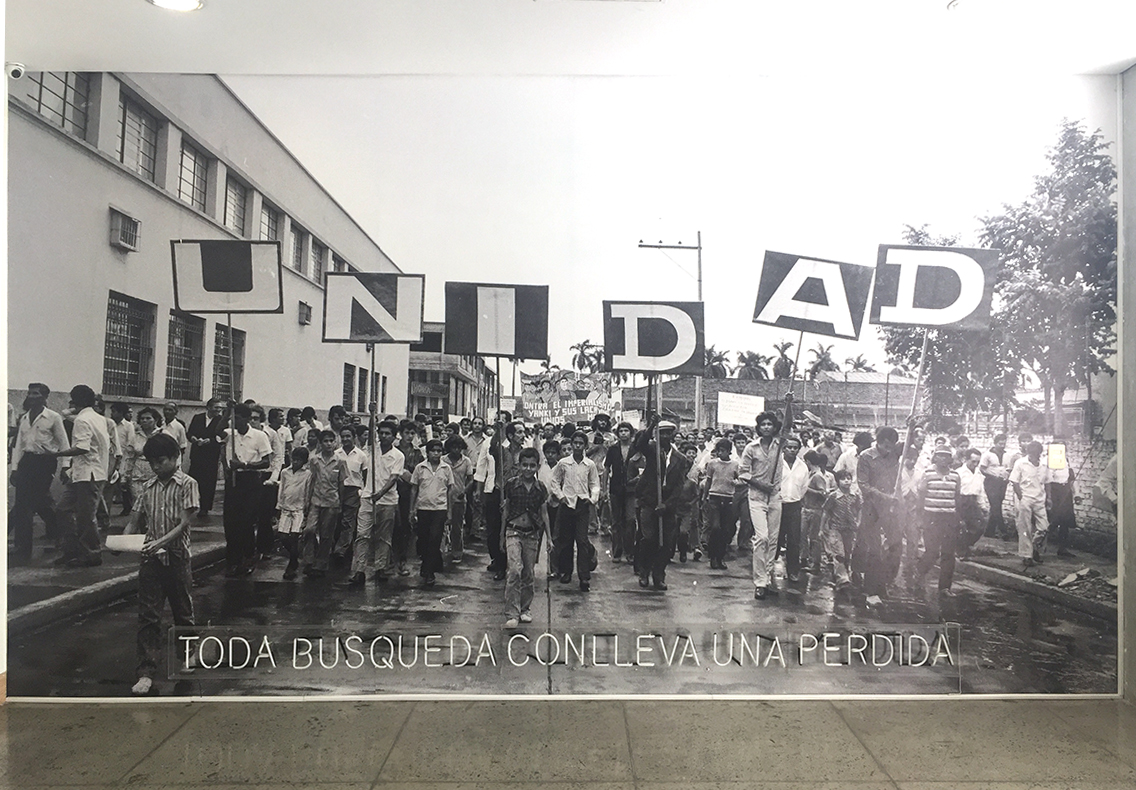
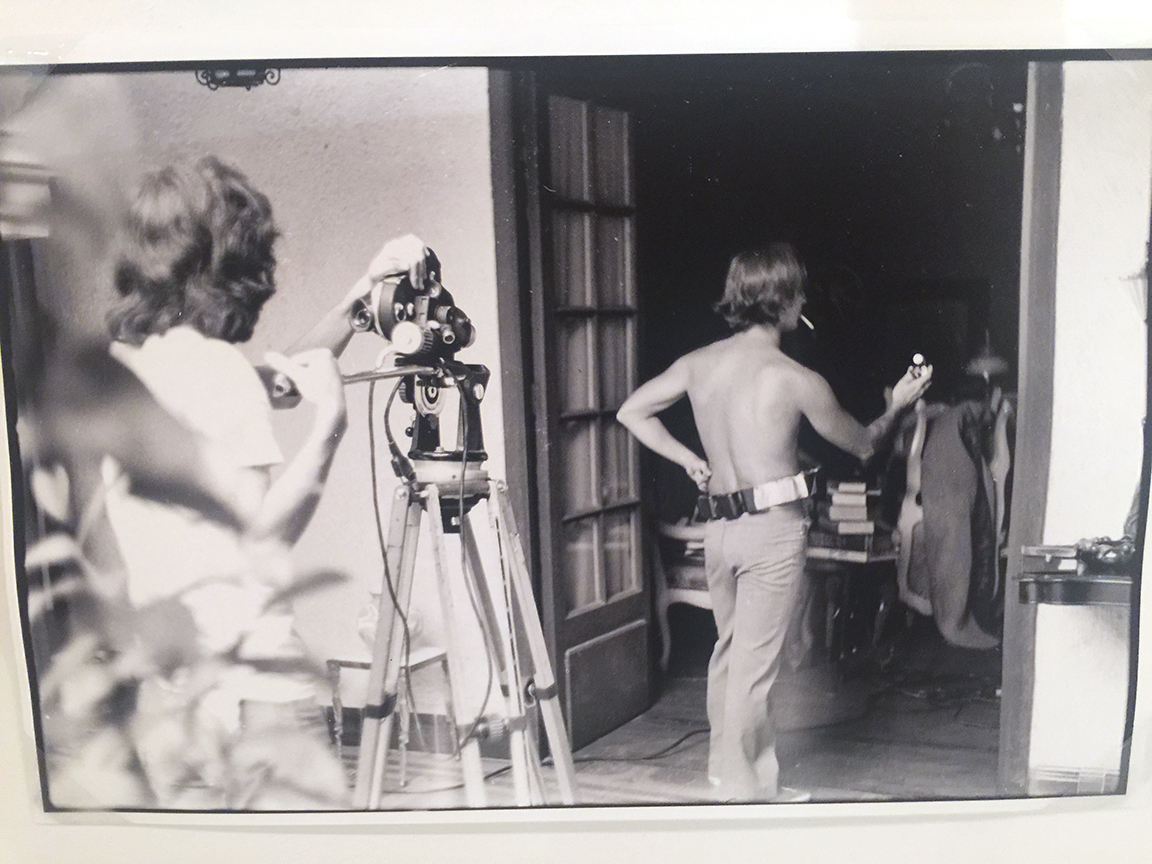
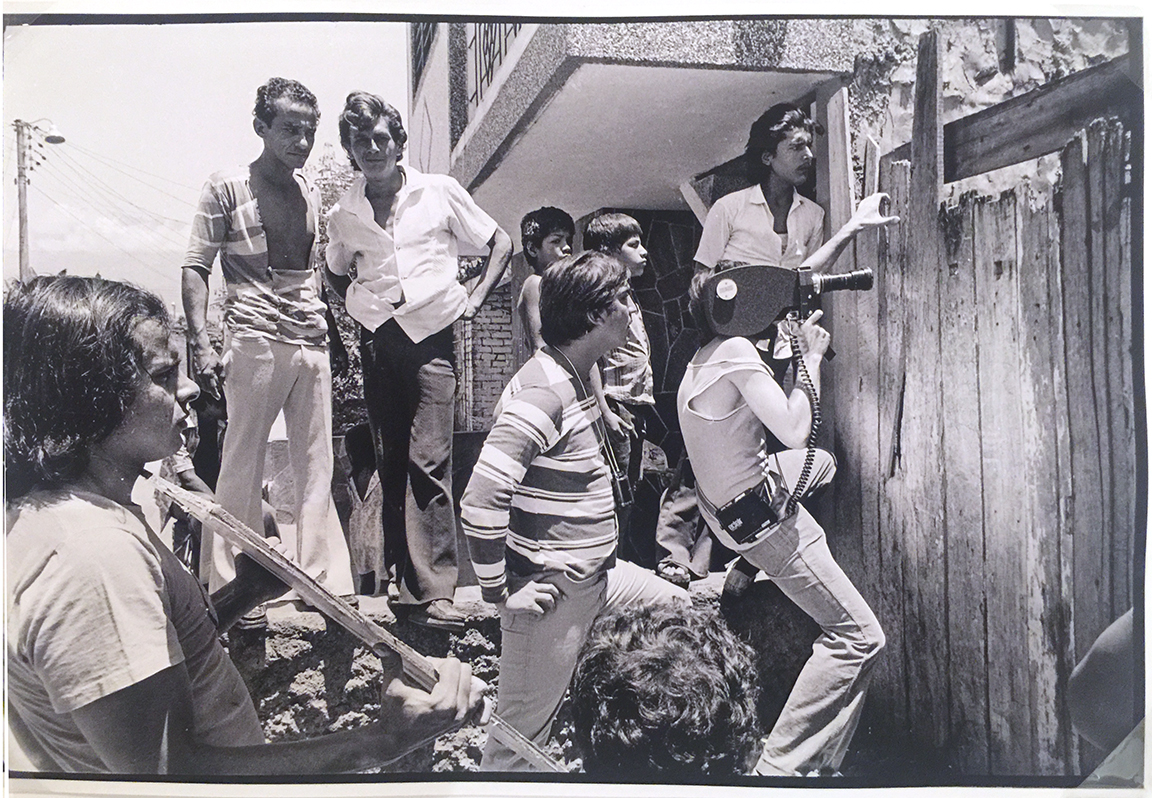
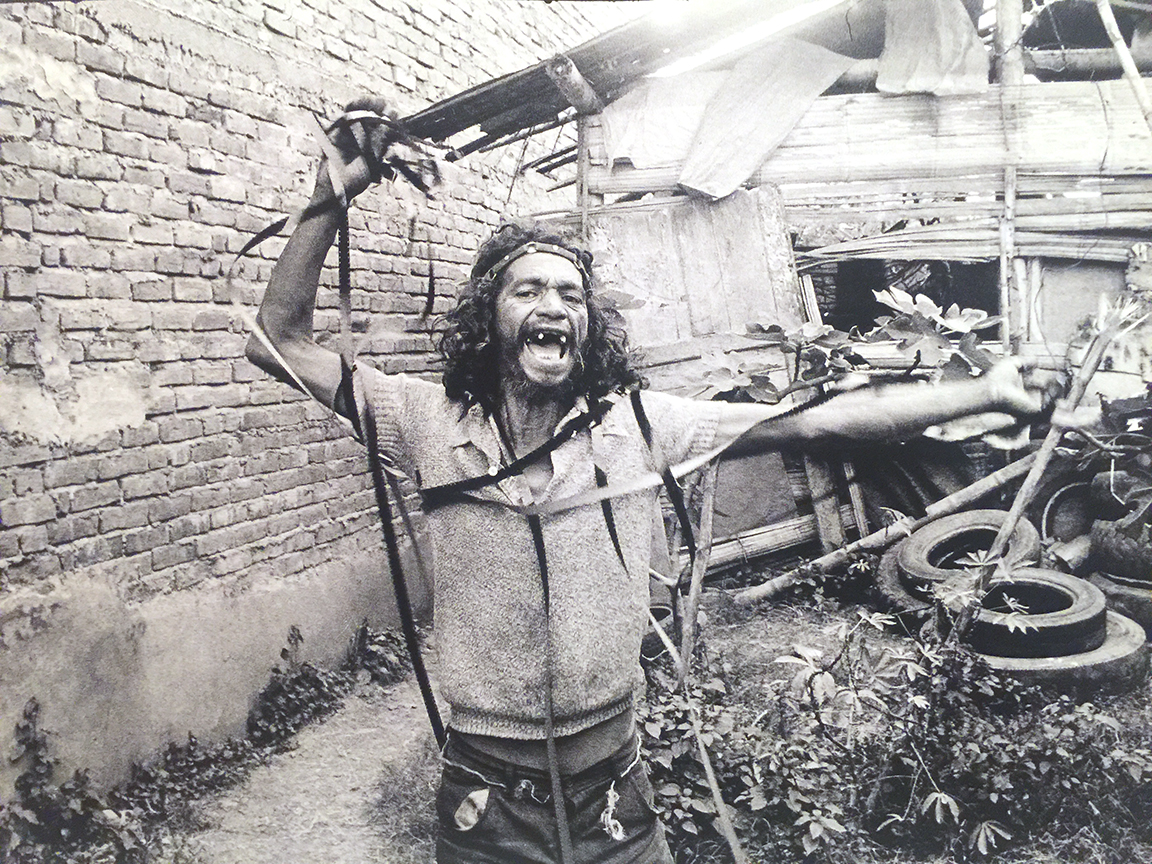
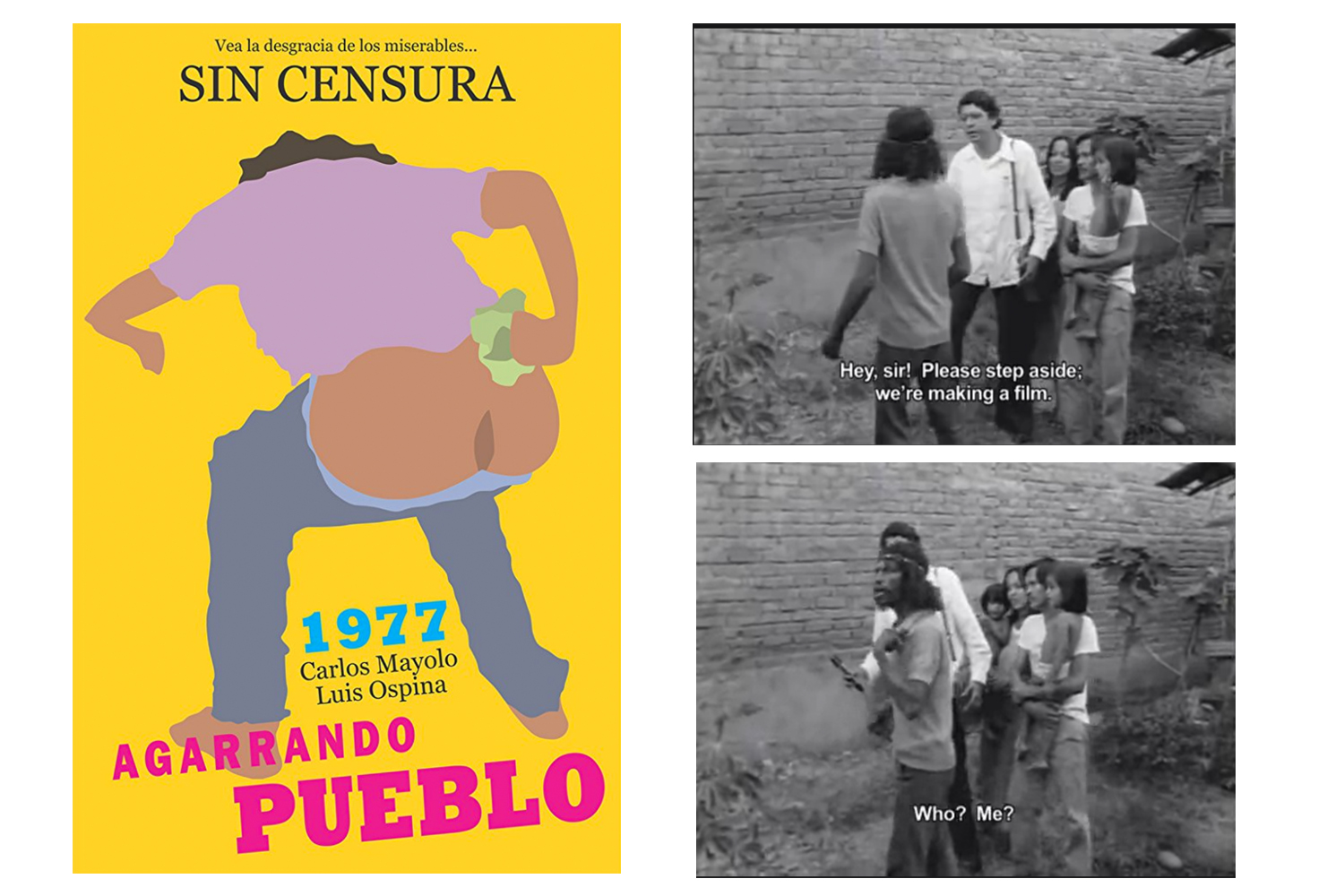
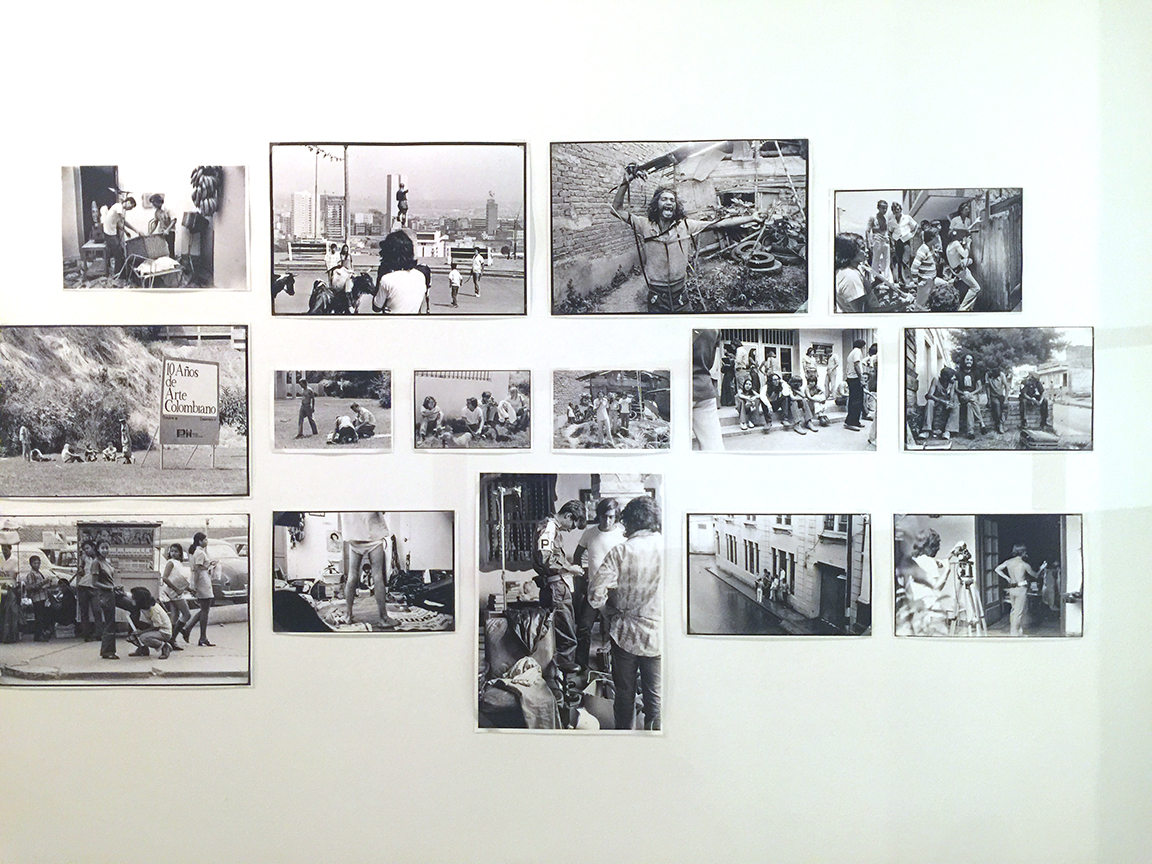
Perhaps my favorite part of the museum was this small section dedicated to the Grupo de Cali, a subversive underground film collective whose most prominent members were the directors Carlos Mayolo & Luis Ospina, who made several B&W 16mm mock-umentaries that were sardonic, cinema-verite critiques of the class struggles, economic disparty, and political oppression of 1970’s Colombia, and in particular the city of Cali. The small section for Grupo de Cali was located adjacent to the Pan-American Graphic Design display, and featured a lot of great behind the scenes still photos of the movies being made, as well as clips of the situationist-style dialectic film Aggarando Pueblo (The Vampires of Poverty).
For a fantastic analysis of Ospina and his films, check out this article at Brooklyn Magazine. And watch the trailer below for some scenes from Aggarando Pueblo.

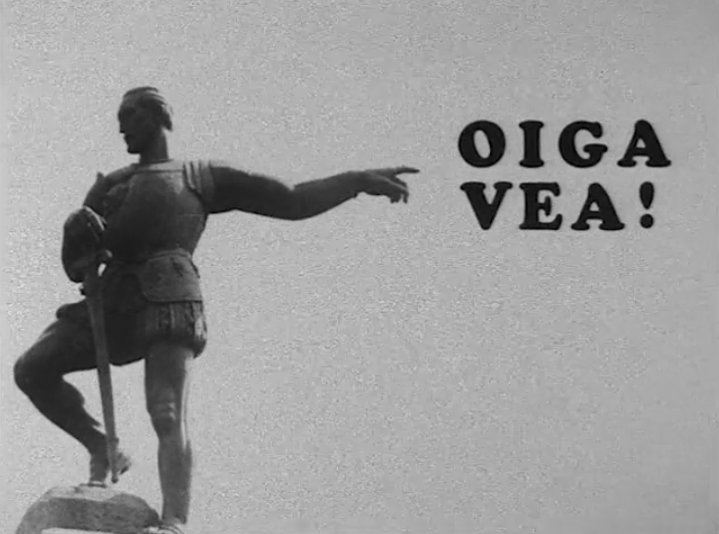
GRUPO DE CALI: 1971–1978 Total running time: 68 minutes FRIDAY, APRIL 8 - 7:30 PM MONDAY, APRIL 11 - 7:30 PM OIGA, VEA! aka See, Hear! Co-directed by Carlos Mayolo. 1971. 27 min. Made in the style of a straight-shooting As The World Turns… style mini-documentary, OIGA, VEA! serves as psychic exposé of Cali upon the arrival of the 6th annual Panamerican Games in 1971. Shooting with a handheld 16mm camera “borrowed” from Carlos Mayolo’s ad agency workplace, the film finds wobbly panoramas on spectacular assemblages, but always from the outside – an exteriority which defines itself fuller in the film’s cockeyed dissection of the Games’ pomp and circumstance. Rallies of military might serve only to demonstrate their planners’ unmistakable Cold War anxieties, and proprietary feats of infrastructural know-how – like a new railroad track, received by some shantytowns like manna from heaven – exposed for the limited-time-only publicity perks they are. Ospina and Mayolo steal glimpses at once officially decorative and incisively marginal; by the film’s end, the bitterness engendered by the project has been transferred in total from the shantytowns outside the Games’ encampment, and directly into the audience. CALI: DE PELICULA aka Cali: The Movie 1973. 13 min. The frantic, colorful CALI DE PELICULA is antithesis to the sort of pedantic ‘misery porn’ Mayolo and Ospina would mock in AGARRANDO PUEBLO. Like a Mondo movie without the voiceover, Ospina and Mayolo frame bullfighting as silent slapstick, turn voyeuristic girl-watching ominous with a horror heartbeat, and capture life at street level, a pagan carnival churning by. Dancing, so vital to social life in the area, is shown in all its movement and color, but capturing faces without smiles or real joy – even enjoying themselves Cali’s citizens are cautious. AGARRANDO PUEBLO aka The Vampires of Poverty Co-directed by Carlos Mayolo. 1978. 28 min. This program concludes with AGARRANDO PUEBLO, widely recognized as the Group’s masterpiece. Mayolo and Ospina star as effigies of themselves, wielding Bolexes and Nagras on a mission to make the perfect cine de sobreprecio (“surcharge film”) for German television – skewering a then-commonplace of Colombian cinema dictated by the Committee for Quality Control, a government-supported bureau intended to help foster a national cinema but a de facto organ of censorship. Retitled THE VAMPIRES OF POVERTY in English, “Agarrando Pueblo” mistranslates a number of ways along the lines of “the clutching of poverty” and “the tricking of the people” – Ospina described it as a popular regional phrase at the time. The certainly film gives away as much (if not more) of its antiheroes’ sleazy postcolonial errand as it does the poverty they seek. Who is clutching whom? While the filmmakers are obviously the supposed vampires, the film is also explicit in the way their exposure to an impoverished zone gets their minds going about the potential windfall for their own careers (aided, inevitably, by a few lines of blow back at the hotel.) In his The Aesthetic of Hunger (first presented at a festival in 1965, modified and republished in the early 70s) Brazilian filmmaker Glauber Rocha criticized a certain trend in Latin American cinema that played up tropes of poverty as a kind of image-dependency. Rocha posited that these countries were still living under the same colonialism as yesteryear, only the means of representation (establishing poverty as an indomitable symptom/destiny, and not the result of socioeconomic policies) had changed. The tension of this encounter – between the type of European-inflected filmmakers Rocha referred to as “above zero” for their filmmaking resources, and Cali’s poorest – reaches a remarkable boiling point in AGARRANDO PUEBLO. It’s unclear whether the documentarians’ expedition is being turned on its head, or in fact fulfilling its original intent too perfectly; the barrier between color footage of the slums and black-and-white footage of the filmmakers gets shakier. As Mayolo himself likened the experience of shooting OIGA, VEA! to having “150 assistant directors”, PUEBLO brings it all back home when one of the documentary’s “stars” refuses to participate, becoming all the more desirable a subject for the filmmakers. The man is played by one Luis Alfonso Londo, a longtime resident of the El Guabal shantytown profiled in OIGA, VEA! According to the filmmakers, they first met Londo when he jumped out and asked them: “Ah, con que agarrando pueblo, no?”
 
David Bellard